
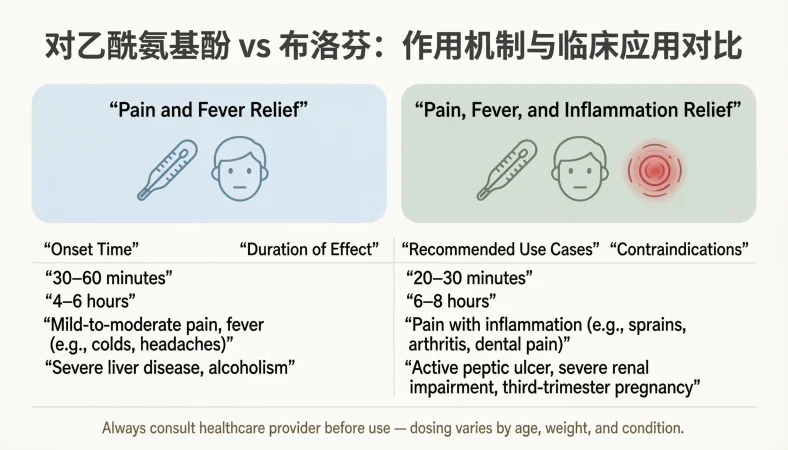
Paracetamol and ibuprofen are both common pain relievers, but they work differently. Paracetamol mainly reduces pain and fever, while ibuprofen also treats inflammation. Choosing the right one depends on your symptoms, age, and medical condition.
Many people reach for medicine when they feel pain or fever. Two of the most common choices are paracetamol and ibuprofen. They are found in homes, clinics, and pharmacies all over the world. Because both help with pain and fever, people often think they are the same. They are not.
Understanding the difference between paracetamol vs ibuprofen is important for safe use. Taking the wrong one may not help your condition. In some cases, it may even cause harm if used incorrectly or too often. Parents, students, workers, and older adults all benefit from knowing when to choose each medicine.
This guide explains the differences in simple language. You will learn how each medicine works, when to use it, and what to avoid. By the end, you will feel confident making safe and informed decisions about everyday pain relief.
Quick Answer Overview
Paracetamol is best for reducing fever and mild to moderate pain when inflammation is not present. It is gentle on the stomach and often recommended for children and people who cannot tolerate anti inflammatory drugs.
Ibuprofen treats pain, fever, and inflammation. It is helpful for swelling, injuries, and conditions like arthritis but may irritate the stomach if not used properly.
What Is Paracetamol
Paracetamol, also called acetaminophen in some countries, is an analgesic and antipyretic medicine. This means it relieves pain and reduces fever.
It does not significantly reduce inflammation. Instead, it works mainly in the brain to block pain signals and control body temperature.
Common uses include:
Headaches
Fever from infections
Toothache
Cold and flu symptoms
Mild muscle pain
Post vaccination fever in children
Paracetamol is widely recommended because it is generally safe when taken at the correct dose.
What Is Ibuprofen
Ibuprofen belongs to a group called nonsteroidal anti inflammatory drugs, often called NSAIDs. Unlike paracetamol, it reduces inflammation as well as pain and fever.
It works by blocking substances called prostaglandins that cause swelling and discomfort in the body.
Common uses include:
Sprains and sports injuries
Menstrual cramps
Back pain
Arthritis
Dental pain with swelling
Inflammatory conditions
Because of its anti inflammatory action, ibuprofen is often chosen when pain is linked with swelling or tissue injury.
How Paracetamol vs Ibuprofen Work in the Body
Understanding their mechanism helps explain when each is useful.
Paracetamol Action
Acts mainly in the central nervous system
Changes how the brain perceives pain
Controls temperature regulation
Minimal effect on inflammation
Ibuprofen Action
Acts at the site of injury
Reduces inflammation and swelling
Blocks enzymes called COX 1 and COX 2
Relieves pain caused by tissue damage
Think of paracetamol as turning down the pain signal, while ibuprofen treats the cause of inflammatory pain.
Key Differences Between Paracetamol vs Ibuprofen
| Feature | Paracetamol | Ibuprofen |
|---|---|---|
| Pain Relief | Yes | Yes |
| Fever Reduction | Yes | Yes |
| Reduces Inflammation | No | Yes |
| Stomach Irritation Risk | Low | Higher |
| Safe for Most Children | Yes | Yes with guidance |
| Best for Injuries | Not ideal | Very effective |
| Risk to Liver | High if overdosed | Lower |
| Risk to Kidneys | Rare | Possible with long use |
Advantages of Paracetamol
Gentle on the stomach
Suitable for people with gastric sensitivity
Safer for elderly patients when used properly
Preferred during pregnancy under medical advice
Useful for fever control in children
Less interaction with other medications
Because of its safety profile, global health bodies like the World Health Organization include it among essential medicines.
Disadvantages of Paracetamol
Does not treat inflammation
Overdose can seriously damage the liver
May not help with severe injury pain
Hidden in many combination medicines leading to accidental overuse
Advantages of Ibuprofen
Reduces swelling and inflammation
More effective for musculoskeletal injuries
Longer lasting pain relief in some cases
Useful for menstrual and joint pain
Available in various strengths
Disadvantages of Ibuprofen
May irritate stomach lining
Can increase risk of ulcers with long use
Not ideal for people with kidney disease
Should be avoided on an empty stomach
May interact with blood pressure medications
Regulatory agencies such as the U.S. Food and Drug Administration provide guidelines on safe dosing because misuse can lead to complications.
When to Choose Paracetamol vs Ibuprofen
Choose Paracetamol When
You have fever without swelling
You need a gentle option for pain relief
You have a sensitive stomach
You are treating a child’s fever
You cannot take NSAIDs
Choose Ibuprofen When
Pain involves inflammation
You have a sprain or muscle injury
There is visible swelling
You have arthritis or joint pain
Menstrual cramps are severe
Real World Examples
Example 1 Fever from Flu
Paracetamol is usually the better first choice because inflammation is not the main issue.
Example 2 Twisted Ankle
Ibuprofen helps more because it reduces swelling and tissue inflammation.
Example 3 Headache After Long Study Session
Paracetamol works well since inflammation is not involved.
Example 4 Post Workout Muscle Injury
Ibuprofen provides better relief by calming inflamed tissues.
Regional and Global Usage Patterns
Different countries prefer one medicine over the other depending on healthcare practices.
In the United Kingdom and South Asia, paracetamol is often the first line treatment for fever.
In North America, both are used widely, with ibuprofen commonly recommended for sports injuries.
In pediatric care worldwide, paracetamol remains the most trusted initial treatment due to its safety record.
Access, cost, and prescribing habits influence how people choose between paracetamol vs ibuprofen globally.
Safe Dosage Principles
Paracetamol Guidelines
Take only recommended doses
Avoid combining multiple products containing it
Leave proper time between doses
Never exceed daily maximum
Ibuprofen Guidelines
Take with food to prevent stomach upset
Use the lowest effective dose
Avoid prolonged daily use without medical advice
Stay hydrated to protect kidney function
Common Mistakes People Make
Taking Both Without Guidance
Some think combining them is always safe. It can be done in certain cases but only with professional advice.
Ignoring Hidden Ingredients
Cold and flu medicines often already contain paracetamol.
Using Ibuprofen for Simple Fever
This exposes the stomach to risk when paracetamol would work.
Doubling Dose for Faster Relief
This increases toxicity risk without improving effectiveness.
Using Long Term Without Medical Review
Chronic use should always be supervised.
Related Concepts and Comparisons
Paracetamol vs Aspirin
Aspirin also reduces inflammation but carries bleeding risk and is not recommended for children.
Ibuprofen vs Other NSAIDs
Ibuprofen is generally milder than stronger NSAIDs but still requires caution.
Pain Relief Ladder Approach
Doctors often start with paracetamol, then move to NSAIDs if needed.
Combination Therapy
In controlled settings, alternating medicines may improve relief for severe pain or high fever.
Practical Exercises With Answers
Exercise 1
A child has a fever but no swelling. Which medicine is preferred.
Answer
Paracetamol is usually the first choice because it reduces fever safely.
Exercise 2
An adult has knee swelling after a fall. What is more effective.
Answer
Ibuprofen helps because it reduces inflammation.
Exercise 3
Someone has stomach ulcers. Which should they avoid.
Answer
Ibuprofen should be avoided due to gastric irritation risk.
Exercise 4
A person accidentally took two cold medicines containing paracetamol. What is the concern.
Answer
Risk of overdose and liver damage due to duplicate dosing.
Special Considerations for Different Age Groups
Children
Paracetamol is widely used because of predictable safety when dosed by weight.
Adults
Choice depends on the cause of pain.
Older Adults
Paracetamol is often safer because NSAIDs may affect kidneys and stomach.
Athletes
Ibuprofen may help short term injury recovery but should not be overused.
Long Term Safety Comparison
Paracetamol Long Term Risks
Liver toxicity if doses exceed recommendations
Unintentional overdose from combination products
Ibuprofen Long Term Risks
Gastrointestinal bleeding
Kidney stress
Cardiovascular concerns with chronic use
Neither medicine is meant for continuous unsupervised use.
Myths About Paracetamol vs Ibuprofen
Myth Both are identical
Reality They work differently and treat different types of pain.
Myth Ibuprofen is always stronger
Reality Effectiveness depends on the condition being treated.
Myth Paracetamol has no risks
Reality Overdose can be very dangerous.
Myth Taking more gives faster relief
Reality It increases harm without added benefit.
FAQs
Can I take paracetamol and ibuprofen together?
Yes, but only under medical advice. Combined use of paracetamol vs ibuprofen is sometimes recommended for severe pain.
Which is safer for children, paracetamol or ibuprofen?
Paracetamol is usually the first line treatment for fever in children due to its safety profile.
Is ibuprofen better for muscle pain than paracetamol?
Yes. Because it reduces inflammation, ibuprofen is often more effective for injuries and muscle strain.
Can paracetamol treat inflammation?
No. Paracetamol reduces pain and fever but does not significantly affect swelling.
Which medicine works faster?
Both work within a similar timeframe, but ibuprofen may last longer for inflammatory pain.
Is paracetamol safer for people with stomach problems?
Yes. It does not irritate the stomach like NSAIDs such as ibuprofen.
Can I use ibuprofen for fever instead of paracetamol?
Yes, but paracetamol is usually preferred unless inflammation is present.
What happens if I take too much paracetamol?
Overdose can cause serious liver damage, sometimes without early symptoms.
Is ibuprofen safe for daily long term use?
Regular long term use should only happen under medical supervision due to kidney and stomach risks.
How do I choose between paracetamol vs ibuprofen for headaches?
For simple headaches, paracetamol is often enough. If inflammation contributes, ibuprofen may help more.
Conclusion
Understanding the difference between paracetamol vs ibuprofen helps you treat pain safely and effectively. While both medicines reduce pain and fever, they serve different purposes. Paracetamol is a gentle option for everyday aches and temperature control. Ibuprofen is more powerful when inflammation and swelling are involved.
Choosing correctly depends on your symptoms, medical history, and how long you plan to use the medicine. Misuse of either drug can lead to serious health risks, especially when doses exceed recommendations or when medicines are combined unknowingly.
For most minor illnesses, starting with the safest appropriate option is wise. Always read labels, avoid duplication, and seek medical advice for persistent pain. With informed use, both medicines remain valuable tools in modern healthcare and can provide reliable relief when used responsibly.