
Last Updated on June 8, 2026
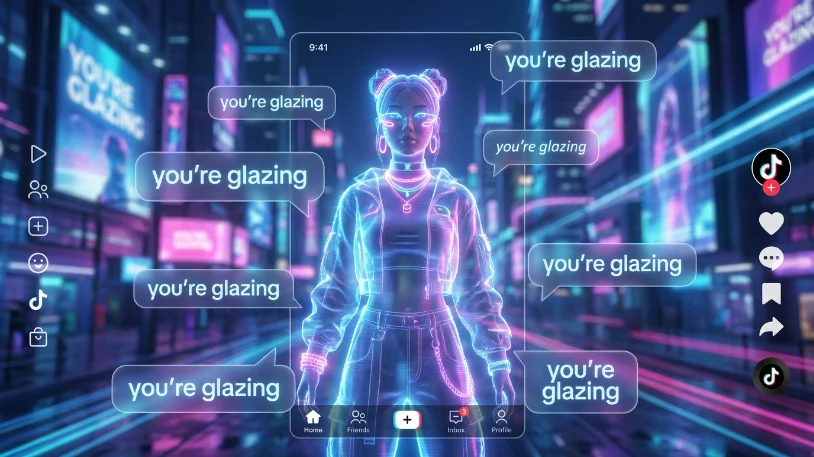
“Glaze” in slang means to excessively praise or hype someone, often in a biased or exaggerated way. It usually describes behavior where a person over-defends or idolizes someone, especially in online discussions. On TikTok and social media, “glazing” someone means giving them too much credit or acting overly obsessed with them, often to the point of ignoring flaws or reality.
Glaze Meaning Slang Explained in Simple Terms
The phrase glaze meaning slang refers to a modern internet expression used mostly on TikTok, Twitter (X), and gaming communities. At its core, it describes a situation where someone is overpraising, overhyping, or excessively defending another person, often in a way that feels biased or unrealistic.
If someone says:
“You’re glazing him.”
They are basically saying:
“You’re hyping him up way too much and ignoring reality.”
This slang term is part of a larger shift in Gen Z internet language, where emotional reactions, exaggeration, and humor mix together to form fast-moving expressions.
What Does Glaze Mean in Slang and Social Media Culture?
The glaze slang definition is not about food or shiny coatings in its internet usage. Instead, it has evolved into a metaphor.
Core Meaning of Glaze in Slang
- Overpraising someone excessively
- Acting overly biased toward a person
- Ignoring flaws while hyping someone up
- Defending someone in an exaggerated emotional way
In simple words:
“Glazing” someone means you are praising them so much it becomes unrealistic.
Glaze Meaning Internet Slang vs Literal Meaning
To understand the slang properly, you need to separate it from its original meaning.
Literal Meaning of Glaze
- A shiny coating on food or pottery
- A smooth, reflective surface layer
- Used in cooking and ceramics
Slang Meaning of Glaze
- Over-the-top admiration
- Excessive praise or fan behavior
- Biased hype toward a person or idea
This shift is common in internet slang where everyday words get emotional or ironic meanings.
Glaze Meaning TikTok and Gen Z Usage
On TikTok, glaze meaning Gen Z slang has exploded in popularity. It is commonly used in comment sections under videos about:
- Celebrities
- Athletes
- Streamers
- Influencers
- Movie characters
Typical TikTok usage
- “Stop glazing that influencer, she didn’t do anything special.”
- “Bro is glazing that streamer like laughable.”
- “You’re glazing this movie way too hard.”
The tone is usually playful but can also feel critical.
Glaze Slang Definition in Real Context
Let’s break down how it appears in real conversations.
Example 1: Sports Discussion
“You’re glazing Messi too hard, he didn’t even play that match.”
Meaning: The speaker believes someone is overpraising Messi unfairly.
Example 2: Gaming Community
“Stop glazing that pro player, he made obvious mistakes.”
Meaning: The player is being overly defended despite errors.
Example 3: Celebrity Debate
“People are glazing that actor like the movie was perfect.”
Meaning: Fans are ignoring flaws and exaggerating praise.
What Does It Mean to Glaze Someone?
When someone asks “what does it mean to glaze someone?”, the answer is simple.
It means:
- To excessively hype a person
- To act like they can do no wrong
- To defend them irrationally
- To ignore criticism completely
In online culture, this behavior is often seen as a form of biased admiration.
Glazing Someone Slang Meaning in Detail
The phrase glazing someone slang meaning can be broken down into behavior patterns.
Signs of glazing behavior
- Constantly defending a person online
- Ignoring facts or criticism
- Overrating their performance or actions
- Comparing them unfairly to others
Why people say it
It is often used to:
- Call out fan bias
- Mock extreme fandom
- Challenge exaggerated opinions
Glaze Behavior Meaning Slang in Internet Culture
The term glaze behavior describes repeated actions of overpraising someone.
Common behaviors include
- Calling someone “the best ever” without evidence
- Dismissing all criticism instantly
- Making emotional arguments instead of logical ones
In online spaces, especially debates, this becomes a quick way to accuse someone of being unfairly biased.
Overpraising Someone Slang Term Glaze Explained
A simple way to understand glaze slang definition is:
It is the internet’s shorthand for “you are praising too much.”
It replaces older phrases like:
- “You’re being biased”
- “You’re overhyping them”
- “You’re not being objective”
Now people just say:
“You’re glazing.”
Related Slang Terms You Should Know
To fully understand glaze meaning internet slang, you should know related expressions.
Stanning
Strong admiration for someone, usually a celebrity
- Often positive or neutral
- Less critical than glazing
Cap / No Cap
- Cap = lie or exaggeration
- No cap = truth
Fanboying / Fangirling
- Emotional excitement over a person or thing
- Similar to glazing but often more harmless
Dickriding (older slang)
- Harsh version of excessive admiration
- More offensive than “glaze”
Glaze Meaning Social Media Usage Explained
On social platforms, glaze meaning social media slang is often used in comment wars.
Where it appears most
- TikTok comment sections
- YouTube Shorts debates
- Twitter/X sports arguments
- Twitch chat discussions
Why it spreads fast
- Short word = easy to use
- Fits meme culture
- Works in arguments instantly
Is Glaze Positive or Negative?
Most of the time, glaze meaning slang is negative or teasing.
Negative usage
- Calling out blind admiration
- Criticizing biased opinions
Playful usage
- Friends joking about fandom behavior
- Light teasing in comment sections
Rare positive use
Sometimes used ironically:
“Let me glaze my favorite artist real quick.”
But even then, it carries humor more than praise.
Why “Glaze” Became Popular Online
The rise of glaze TikTok meaning is tied to internet behavior trends.
Main reasons
- Fast-paced debate culture
- Short-form video platforms
- Meme-driven communication
- Desire to call out bias quickly
Cultural effect
Online users prefer:
- Short words
- Strong emotional meaning
- Instant judgment language
“Glaze” fits perfectly into this environment.
Misunderstandings About Glaze Meaning Slang
Many people misunderstand the term.
Common confusion
- Thinking it refers only to food glaze
- Assuming it is always an insult
- Believing it has sexual meaning (it does not in slang context)
Reality
It is simply:
A slang term for excessive praise or hype.
How to Respond When Someone Says You Are Glazing
If someone says:
“You’re glazing.”
You have a few options.
Neutral response
- “I just think they did well.”
Playful response
- “Let me enjoy it in peace.”
Defensive response
- “I’m just being honest.”
The best approach depends on the tone of the conversation.
Is Glaze Offensive?
The term is usually mildly critical, not deeply offensive.
When it feels harsh
- Heated debates
- Sports rivalries
- Celebrity arguments
When it is harmless
- Meme discussions
- Friendly banter
- Casual comments
It rarely crosses into serious insult territory.
Quick Reference Table: Glaze Meaning Slang vs Related Terms
| Term | Meaning | Tone |
| Glaze | Excessive praise or hype | Neutral to negative |
| Stanning | Strong admiration | Neutral/positive |
| Fanboying | Emotional support for someone | Neutral |
| Cap | Lie or exaggeration | Neutral |
| Overhyping | Too much praise | Slightly negative |
Why People Use “Glaze” Instead of Longer Phrases
Internet users prefer speed.
“You are being overly biased in your praise.”
They say:
“You’re glazing.”
It saves time and fits better in fast comment threads.
Glaze Meaning Gen Z Slang in Modern Communication
Gen Z slang often:
- Shortens expressions
- Adds humor or sarcasm
- Turns criticism into punchy words
“Glaze” is a perfect example of this evolution.
It reflects:
- Fast digital communication
- Meme-based reasoning
- Social media debate culture
Conclusion
The glaze meaning slang is simple once you break it down.
It describes:
- Overpraising someone
- Ignoring flaws while hyping them
- Showing biased admiration online
It is widely used in TikTok, gaming, and social media debates where opinions move fast and emotions run high.
At its core, “glaze” is not just a word. It is a reflection of how internet culture reacts to hype, fandom, and disagreement in real time.