Last Updated on May 15, 2026
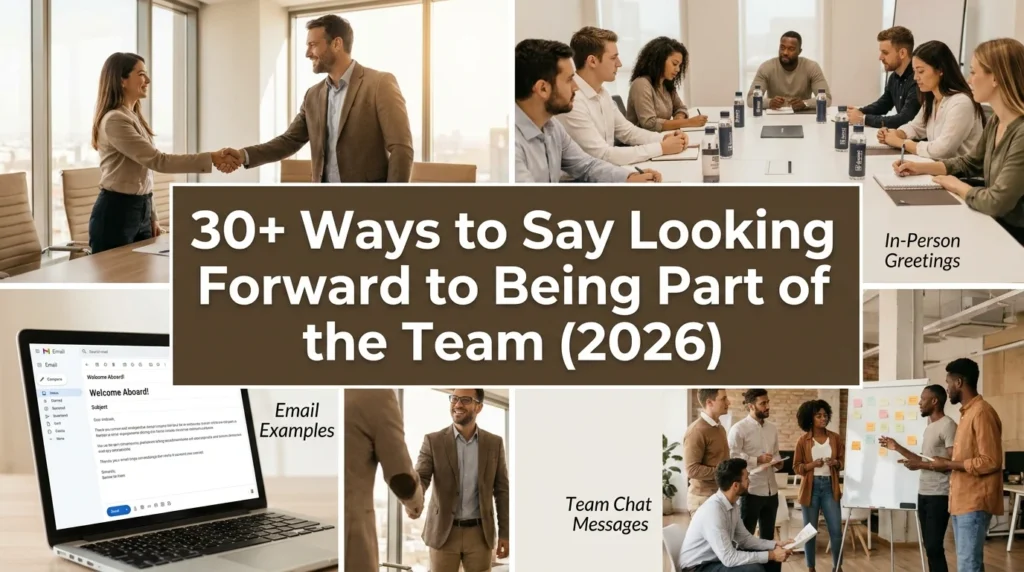
Looking for ways to say looking forward to being part of the team? Try:
I’m excited to join the team, Eager to contribute, Thrilled to work with everyone, Looking forward to collaborating, Happy to become part of the organization.
These alternatives help you sound professional, enthusiastic, confident, and polished in emails and workplace communication.
The phrase “looking forward to being part of the team” is commonly used in job acceptance emails, onboarding communication, LinkedIn messages, and professional conversations. It expresses enthusiasm about joining a company or group.
Although polite and professional, using the exact same phrase repeatedly can sound generic. Learning alternatives to “looking forward to being part of the team” helps you sound more natural, confident, and memorable. It also improves your ability to express excitement in English professionally.
Whether you’re responding to a job offer, networking with future coworkers, or writing a welcome message, the right wording can make a stronger impression.
“Professional enthusiasm shows confidence, positivity, and readiness to contribute.”
Quick Categories
Formal alternatives to “looking forward to being part of the team”
- I anticipate working with the team
- I’m honored to join the organization
- I look forward to contributing
- I’m pleased to become part of the company
Pro Tip: Use these in corporate emails or communication with senior leadership.
Casual alternatives
- Excited to join everyone
- Can’t wait to get started
- Happy to be joining the crew
- Looking forward to working together
Pro Tip: Best for startups or relaxed workplace culture.
Professional alternatives
- Eager to contribute to the team
- Looking forward to collaborating
- Excited to work alongside everyone
- Ready to support the team’s goals
Pro Tip: Ideal for onboarding emails and LinkedIn networking.
Warm / enthusiastic expressions
- Thrilled to be joining the team
- Delighted to work with you all
- Excited for this new chapter
- Happy to be part of the journey
Pro Tip: Great for welcome responses and relationship-building.
Common Mistakes
- Using overly casual language professionally
Example: “Super hyped to join!” in a corporate email - Repeating the same phrase constantly
Example: Using “looking forward to being part of the team” in every message - Sounding too robotic
Example: “I acknowledge my future inclusion within the team.” - Lacking enthusiasm
Example: “Okay, I’ll join the team.” - Being overly emotional in formal settings
Example: “This is literally my dream forever!!!”
What Does “Looking Forward to Being Part of the Team” Mean?
The phrase means you feel excited, positive, and optimistic about joining a group or organization in the future.
Grammar Tip
“Looking forward to” is followed by:
- Noun → “Looking forward to the opportunity.”
- Gerund → “Looking forward to working with you.”
Example Sentence
“I’m looking forward to being part of the team next month.”
When to Use It
- Job acceptance emails
- Welcome messages
- Onboarding communication
- LinkedIn networking
- Team introductions
- Professional follow-ups
Spoken vs Written
- Spoken: often more enthusiastic and conversational
- Written: usually polished and professional
Formal vs Informal
- Formal: “I look forward to contributing to the organization.”
- Informal: “Can’t wait to work with everyone!”
Is It Professional or Polite to Say “Looking Forward to Being Part of the Team”?
Polite? ✔️ Yes
Professional? ✔️ Yes
However, it can sound repetitive if overused in workplace communication.
Business Example
“I’m looking forward to being part of the team and contributing to upcoming projects.”
Pros and Cons of Using the Phrase
Pros
- Professional and polite
- Positive and welcoming
- Easy to understand
- Commonly accepted
Cons
- Overused
- Can sound generic
- Limited personality
- Less impactful in competitive environments
“A thoughtful expression of enthusiasm can make a stronger first impression than qualifications alone.”
Other Ways to Say “Looking Forward to Being Part of the Team” With Examples
These alternatives will help you sound more fluent, professional, and enthusiastic in workplace communication.
Use them according to tone, audience, and company culture.
1. Phrase: I’m excited to join the team
Meaning: Strong enthusiasm about joining
Explanation: One of the most natural alternatives
Example Sentence: “I’m excited to join the team next week.”
Best Use: onboarding emails
Worst Use: highly formal contracts
Tone: enthusiastic, professional
Context Variability: both
2. Phrase: I look forward to collaborating with everyone
Meaning: Anticipation of teamwork
Explanation: Focuses on cooperation
Example Sentence: “I look forward to collaborating with everyone.”
Best Use: professional settings
Worst Use: casual texting
Tone: professional, positive
Context Variability: professional
3. Phrase: I’m eager to contribute
Meaning: Readiness to help and participate
Explanation: Shows motivation and initiative
Example Sentence: “I’m eager to contribute to the company’s success.”
Best Use: interviews, onboarding
Worst Use: casual chats
Tone: motivated, professional
Context Variability: professional
4. Phrase: Thrilled to be joining the organization
Meaning: Strong excitement
Explanation: More expressive than standard phrasing
Example Sentence: “I’m thrilled to be joining the organization.”
Best Use: LinkedIn announcements
Worst Use: highly formal legal communication
Tone: enthusiastic, warm
Context Variability: both
5. Phrase: Happy to become part of the company
Meaning: Positive anticipation
Explanation: Warm and approachable wording
Example Sentence: “I’m happy to become part of the company.”
Best Use: welcome emails
Worst Use: executive-level formality
Tone: friendly, professional
Context Variability: both
6. Phrase: Looking forward to working alongside you all
Meaning: Anticipation of teamwork
Explanation: Friendly and inclusive
Example Sentence: “I’m looking forward to working alongside you all.”
Best Use: team introductions
Worst Use: formal reports
Tone: collaborative, warm
Context Variability: both
7. Phrase: Excited for this new opportunity
Meaning: Enthusiasm for new role
Explanation: Broader professional excitement
Example Sentence: “I’m excited for this new opportunity.”
Best Use: job acceptance emails
Worst Use: casual jokes
Tone: positive, professional
Context Variability: both
8. Phrase: I can’t wait to get started
Meaning: Strong anticipation
Explanation: Casual but energetic
Example Sentence: “I can’t wait to get started with the team.”
Best Use: startups
Worst Use: highly formal workplaces
Tone: enthusiastic, casual
Context Variability: casual / spoken
9. Phrase: Delighted to join the team
Meaning: Warm professional excitement
Explanation: Slightly formal and elegant
Example Sentence: “I’m delighted to join the team.”
Best Use: professional emails
Worst Use: casual texting
Tone: polished, warm
Context Variability: professional
10. Phrase: I anticipate working with the team
Meaning: Formal expectation
Explanation: More reserved and professional
Example Sentence: “I anticipate working with the team soon.”
Best Use: corporate communication
Worst Use: informal messages
Tone: formal, professional
Context Variability: professional
11. Phrase: Looking forward to contributing to the team
Meaning: Excitement about participation
Explanation: Highlights contribution
Example Sentence: “I’m looking forward to contributing to the team.”
Best Use: onboarding
Worst Use: playful contexts
Tone: motivated, professional
Context Variability: professional
12. Phrase: Excited to work alongside such a talented group
Meaning: Admiration + enthusiasm
Explanation: Compliments future teammates
Example Sentence: “I’m excited to work alongside such a talented group.”
Best Use: networking
Worst Use: formal contracts
Tone: appreciative, positive
Context Variability: both
13. Phrase: Ready to support the team’s goals
Meaning: Commitment to teamwork
Explanation: Focuses on contribution
Example Sentence: “I’m ready to support the team’s goals.”
Best Use: leadership roles
Worst Use: casual chats
Tone: professional, determined
Context Variability: professional
14. Phrase: Grateful for the opportunity to join
Meaning: Appreciation and excitement
Explanation: Combines gratitude with enthusiasm
Example Sentence: “I’m grateful for the opportunity to join the company.”
Best Use: acceptance emails
Worst Use: casual slang contexts
Tone: respectful, warm
Context Variability: professional
15. Phrase: Looking forward to growing with the company
Meaning: Long-term optimism
Explanation: Shows commitment and ambition
Example Sentence: “I’m looking forward to growing with the company.”
Best Use: interviews, onboarding
Worst Use: temporary contract roles
Tone: ambitious, positive
Context Variability: professional
16. Phrase: Excited to begin this journey with the team
Meaning: Inspirational enthusiasm
Explanation: More emotional and uplifting
Example Sentence: “I’m excited to begin this journey with the team.”
Best Use: welcome announcements
Worst Use: legal documents
Tone: warm, inspirational
Context Variability: both
17. Phrase: Happy to work with everyone
Meaning: Friendly anticipation
Explanation: Simple and approachable
Example Sentence: “I’m happy to work with everyone.”
Best Use: team chats
Worst Use: formal executive communication
Tone: friendly, casual
Context Variability: casual
18. Phrase: Eager to learn from the team
Meaning: Humble enthusiasm
Explanation: Shows willingness to grow
Example Sentence: “I’m eager to learn from the team.”
Best Use: junior roles
Worst Use: senior leadership statements
Tone: humble, professional
Context Variability: professional
19. Phrase: Looking forward to making an impact
Meaning: Contribution-focused enthusiasm
Explanation: Strong professional confidence
Example Sentence: “I’m looking forward to making an impact.”
Best Use: leadership positions
Worst Use: casual chats
Tone: ambitious, confident
Context Variability: professional
20. Phrase: Excited to contribute my skills
Meaning: Confidence and readiness
Explanation: Highlights personal value
Example Sentence: “I’m excited to contribute my skills to the team.”
Best Use: onboarding
Worst Use: overly casual settings
Tone: confident, professional
Context Variability: professional
21. Phrase: Looking forward to connecting with everyone
Meaning: Team relationship focus
Explanation: Friendly networking tone
Example Sentence: “I’m looking forward to connecting with everyone.”
Best Use: remote teams
Worst Use: formal reports
Tone: approachable, warm
Context Variability: both
22. Phrase: Proud to join the organization
Meaning: Honor and appreciation
Explanation: Strong respectful tone
Example Sentence: “I’m proud to join the organization.”
Best Use: prestigious companies
Worst Use: casual startup culture
Tone: respectful, formal
Context Variability: professional
23. Phrase: Excited about what’s ahead
Meaning: Future-oriented enthusiasm
Explanation: Broad optimistic phrasing
Example Sentence: “I’m excited about what’s ahead with the team.”
Best Use: onboarding posts
Worst Use: formal contracts
Tone: optimistic, modern
Context Variability: both
24. Phrase: Looking forward to being part of such a great team
Meaning: Positive admiration
Explanation: Compliments coworkers
Example Sentence: “I’m looking forward to being part of such a great team.”
Best Use: introductions
Worst Use: overly formal documents
Tone: appreciative, positive
Context Variability: both
25. Phrase: I’m enthusiastic about joining the team
Meaning: Professional excitement
Explanation: Balanced and polished
Example Sentence: “I’m enthusiastic about joining the team.”
Best Use: professional emails
Worst Use: playful chats
Tone: polished, positive
Context Variability: professional
26. Phrase: Looking forward to contributing and learning
Meaning: Balanced enthusiasm
Explanation: Shows growth mindset
Example Sentence: “I’m looking forward to contributing and learning.”
Best Use: interviews, onboarding
Worst Use: casual slang contexts
Tone: professional, motivated
Context Variability: professional
27. Phrase: Excited to work together
Meaning: Team collaboration enthusiasm
Explanation: Short and friendly
Example Sentence: “Excited to work together soon!”
Best Use: internal communication
Worst Use: formal executive messages
Tone: warm, collaborative
Context Variability: casual / professional
28. Phrase: Honored to become part of the team
Meaning: Respectful appreciation
Explanation: More formal and sincere
Example Sentence: “I’m honored to become part of the team.”
Best Use: formal onboarding
Worst Use: casual chats
Tone: respectful, professional
Context Variability: professional
29. Phrase: Looking forward to building strong relationships
Meaning: Team connection focus
Explanation: Emphasizes communication and teamwork
Example Sentence: “I’m looking forward to building strong relationships with the team.”
Best Use: leadership roles
Worst Use: casual messages
Tone: professional, collaborative
Context Variability: professional
30. Phrase: Excited to start working with everyone
Meaning: Friendly anticipation
Explanation: Natural and versatile
Example Sentence: “I’m excited to start working with everyone.”
Best Use: introductions
Worst Use: highly formal writing
Tone: approachable, positive
Context Variability: both
“Professional excitement feels strongest when it sounds genuine rather than generic.”
Mini Quiz / Self-Check
1. Which phrase is most formal?
A. Can’t wait to get started
B. Honored to become part of the team
C. Excited to work together
Answer: B
2. Best phrase for startup culture?
A. I anticipate working with the team
B. Excited to start working with everyone
C. Proud to join the organization
Answer: B
3. Best for leadership onboarding?
A. Looking forward to making an impact
B. Happy to work with everyone
C. Can’t wait to get started
Answer: A
Comparison Table: Top Alternatives
| Phrase | Tone | Best Use |
| I’m excited to join the team | Professional | Onboarding emails |
| I’m eager to contribute | Motivated | Interviews |
| Looking forward to collaborating | Professional | Team communication |
| Thrilled to be joining the organization | Warm | LinkedIn posts |
| Delighted to join the team | Polished | Corporate emails |
| Excited to work together | Friendly | Internal communication |
| Looking forward to growing with the company | Ambitious | Career discussions |
| Honored to become part of the team | Formal | Executive roles |
| Looking forward to making an impact | Confident | Leadership positions |
| Excited to contribute my skills | Professional | New hire introductions |
FAQs
1. What is the most professional alternative?
“I look forward to collaborating with everyone” is highly professional and polished.
2. Can I say “can’t wait to get started” in work emails?
Yes, but only in relaxed or startup-style workplace cultures.
3. What phrase sounds confident and ambitious?
“Looking forward to making an impact” works very well professionally.
4. What’s a warm alternative for LinkedIn announcements?
“Thrilled to be joining the organization” sounds enthusiastic and positive.
5. Why should I avoid repeating the original phrase?
Overusing it can make your communication sound generic and less memorable.
Conclusion
Learning ways to say looking forward to being part of the team helps you communicate with more confidence, professionalism, and personality. Different phrases allow you to adapt your tone depending on workplace culture, seniority, and context.
Use these alternatives in onboarding emails, LinkedIn announcements, and workplace conversations to sound more polished and enthusiastic. A thoughtful expression of excitement can help you create a strong first impression from day one.