Last Updated on June 13, 2026
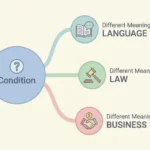
POS meaning slang most commonly stands for “piece of shit,” a strong insult used to describe a bad person or low-quality object. In texting and online chat, it can also mean “parent over shoulder” or “point of sale” depending on context. The meaning changes based on tone, platform, and situation.
What Does POS Mean in Slang?
You’ve seen it in texts. You’ve noticed it in comments. Maybe someone even called something a POS, and you paused for a second.
What does it actually mean?
Here’s the truth POS meaning slang is simple on the surface, yet surprisingly layered once you dig deeper. Context shapes everything. Tone changes meaning. Even the platform you’re using can flip its intent.
Let’s break it down clearly so you never second-guess it again.
What Does POS Mean in Slang? (Direct Answer)
At its core, POS slang meaning stands for:
“Piece of Sh*t”
Yes, it’s blunt. And yes, people use it exactly how it sounds.
You’ll usually see it used to describe:
- A person behaving badly
- A thing that’s broken or low quality
Quick Examples
- “He lied to everyone. Total POS.”
- “This phone keeps crashing. It’s a POS.”
Short. Sharp. Straight to the point.
However, don’t stop here. That’s just one layer.
POS Meaning Slang vs Other Meanings (Why Context Matters)
Here’s where things get interesting.
Not every POS meaning in text points to an insult. Sometimes, it means something completely different.
Common Meanings of POS
| Meaning | Type | Context | Tone |
|---|---|---|---|
| Piece of Sh*t | Slang | Insult / frustration | Negative |
| Parent Over Shoulder | Texting | Warning | Neutral |
| Point of Sale | Business | Retail systems | Neutral |
| Positive (POS) | Medical/General | Test results | Neutral |
Why This Matters
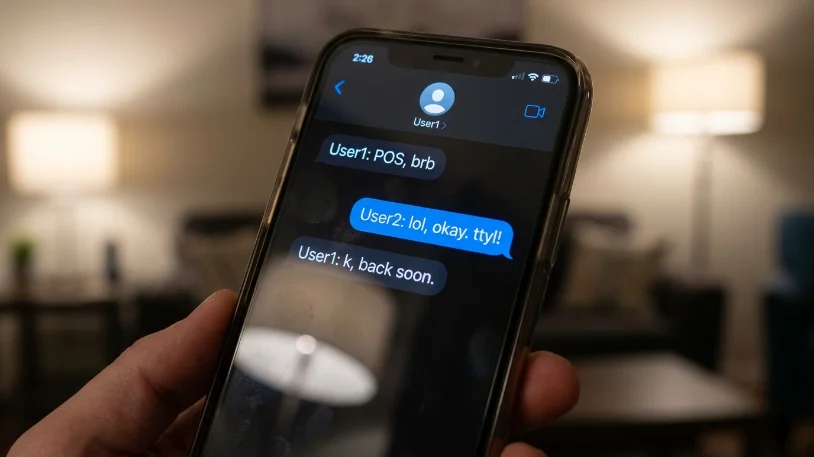
Imagine this message:
“Can’t talk, POS.”
Is that an insult? Not at all.
It likely means:
Parent Over Shoulder
That’s why pos meaning in chat always depends on context. One acronym. Multiple interpretations.
POS Meaning in Texting, Chat, and Social Media
People use POS meaning in texting differently depending on where they are.
Let’s explore how it appears across platforms.
POS Meaning in Text Messages
In SMS or private chats, POS abbreviation slang often feels more personal.
Examples:
- “Don’t trust him. He’s a POS.”
- “This laptop is a POS.”
- “Wait, POS… talk later.”
You need to read tone carefully. One message might insult. Another might signal caution.
POS Meaning in Social Media
On platforms like Instagram, TikTok, or Twitter/X, tone shifts fast.
- Used in arguments
- Used in memes
- Used sarcastically
Example:
- “That plot twist? POS writing 😂”
Here, the insult softens into humor.
POS Meaning in Gaming and Online Communities
Gamers use slang quickly. Efficiency matters.
Example:
- “This server is POS.”
- “That teammate played like a POS.”
It’s blunt. No sugarcoating.
Is POS an Offensive Slang Term?
Short answer?
Yes. Most of the time.
The phrase behind it carries weight. You wouldn’t say it in a job interview. You wouldn’t drop it in a formal email.
But context still matters.
When POS Is Clearly Offensive
- Directed at someone seriously
- Used in anger
- Posted publicly about a person
Example:
- “He scammed people. Absolute POS.”
That’s harsh. No humor there.
When POS Feels Less Harsh
- Among close friends
- Used jokingly
- Referring to objects
Example:
- “My old car is a POS 😂”
Here, it feels more like frustration than insult.
Quick Reality Check
If you’re unsure, assume it’s offensive.
Better safe than misunderstood.
POS Meaning in Different Contexts (Detailed Breakdown)
Context changes everything. Let’s make it crystal clear.
| Context | Meaning | Example | Interpretation |
|---|---|---|---|
| Slang (Person) | Piece of Sh*t | “He’s a POS” | Strong insult |
| Slang (Object) | Bad quality | “This phone is POS” | Frustration |
| Text Warning | Parent Over Shoulder | “POS rn” | Be careful |
| Retail | Point of Sale | “POS system down” | Business term |
POS vs Other Slang Terms (What Makes It Unique)
Not all insults hit the same.
Let’s compare.
POS vs “Trash”
- Trash → lighter insult
- POS → more aggressive
POS vs “Jerk”
- Jerk → mild
- POS → harsh and emotional
POS vs “Scumbag”
- Scumbag → similar intensity
- POS → shorter, more direct
POS vs “L”
- L → casual loss or failure
- POS → personal or object-based insult
Why POS Became Popular Online
You don’t see random slang stick around for no reason.
POS meaning online gained traction because it checks every box:
- Short and fast to type
- Easy to understand
- Packs emotional punch
- Works in multiple contexts
Key Drivers of Popularity
- Texting culture favors short forms
- Gaming chats require speed
- Social media rewards sharp, expressive language
People want to say more with less.
POS does exactly that.
How People Actually Use POS (Real Examples)
Let’s bring it to life.
Angry Use
- “That guy stole from me. POS.”
Frustrated Use
- “This app keeps crashing. POS.”
Joking Use
- “You ate my pizza… POS 😂”
Cautious Use
- “Can’t reply, POS here.”
How to Respond When Someone Uses POS
You don’t always control what people say. You do control how you react.
If Someone Calls You a POS
- Stay calm
- Don’t escalate
- Ask what’s wrong or disengage
Reacting emotionally often makes things worse.
If It’s Used Casually
- Read tone
- Look for emojis or humor
- Don’t jump to conclusions
If You Want to De-escalate
Try responses like:
- “Let’s keep it respectful.”
- “What’s actually bothering you?”
Simple. Direct. Effective.
Should You Use POS in Conversations?
Here’s the honest answer.
You can. But you need awareness.
Safe Situations
- Close friends
- Joking environments
- Private chats
Risky Situations
- Work conversations
- Public comments
- Talking to strangers
Golden Rule
If there’s a chance it’ll be misunderstood, skip it.
Common Misinterpretations of POS
Misreading slang happens all the time.
Typical Mistakes
- Assuming it always means insult
- Confusing it with business terms
- Missing tone in text messages
Example Confusion
Message:
“POS system is down.”
Meaning:
Retail issue, not an insult.
POS Meaning in Gen Z Slang and Online Culture
Modern slang evolves fast.
POS meaning gen z slang hasn’t changed much in definition, but its tone has.
How Gen Z Uses POS
- More sarcastic
- More meme-driven
- Often paired with emojis
Example:
- “This homework is POS 💀”
Here, humor blends with frustration.
POS Meaning in WhatsApp, Instagram, and Snapchat
Each platform adds its own flavor.
- More personal
- Often serious or direct
- Seen in comments and captions
- Often exaggerated or sarcastic
Snapchat
- Quick, informal
- Sometimes coded or playful
POS Meaning Examples in Sentences
Here’s a variety you can recognize instantly:
- “That service was POS.”
- “He treated her badly. POS behavior.”
- “My WiFi is POS today.”
- “POS here, text later.”
Slang Abbreviations Like POS (Quick Reference)
Understanding POS acronym slang becomes easier when you see similar patterns.
Popular Slang Abbreviations
- LOL → Laughing Out Loud
- BRB → Be Right Back
- SMH → Shaking My Head
- IMO → In My Opinion
- IDK → I Don’t Know
Why They Work
- Fast communication
- Shared understanding
- Cultural shorthand
POS fits perfectly into this system.
Deep Insight: Why Slang Like POS Feels So Powerful
Words carry emotion. Short forms compress that emotion.
POS works because:
- It’s blunt
- It’s expressive
- It removes fluff
Think of it like a punchline without buildup.
Final Thoughts
- POS meaning slang usually means “piece of sh*t”
- It can also mean parent over shoulder or point of sale
- Context decides everything
- Tone changes impact
- It’s often offensive, sometimes playful
Bottom Line
If you see “POS,” pause for a second.
Read the situation. Check the tone.
Then you’ll understand exactly what it means.
FAQs
What does POS mean in texting slang?
It usually means piece of sh*t, though it can also mean parent over shoulder depending on context.
Is POS a bad word in slang?
Yes, in most cases it’s considered offensive.
Why do people say POS in chat?
Because it’s short, expressive, and easy to type.
Can POS be used jokingly?
Yes, especially among friends or in meme culture.
What does POS mean in social media?
Mostly an insult, but sometimes used humorously or sarcastically.