Last Updated on June 11, 2026
The surreal meaning refers to something that feels strange, dreamlike, or beyond normal reality. When people say something is “surreal,” they usually mean it seems unreal, bizarre, or like it belongs in a dream rather than real life. The meaning of surreal connects closely with altered perception, imagination, and the subconscious mind. It often describes experiences that feel illogical, distorted, or otherworldly, such as vivid dreams, shocking events, or surreal art that mixes reality with fantasy.
Understanding Surreal Meaning in Simple Terms
The phrase surreal meaning points to something that feels outside normal reality. It describes moments, images, or experiences that look real but don’t feel real at the same time.
Think about walking through your house and suddenly noticing the walls melting like wax. You know it’s impossible, but your mind still tries to accept it. That uncomfortable mix of reality and illusion captures the essence of the surreal word meaning.
At its core, surreal means:
- Dreamlike
- Unreal
- Strange or bizarre
- Illogical or distorted
- Sometimes beautiful, sometimes unsettling
The word doesn’t just describe visuals. It also describes feelings, thoughts, and experiences that break normal expectations.
Surreal Definition and Linguistic Breakdown
The surreal definition comes from the French word surréaliste, meaning “beyond realism.” It combines:
- “Sur” → beyond
- “Real” → reality
So, surreal literally means beyond reality.
From a language structure perspective:
- Surreal (adjective): describes something
- Meaning (noun): interpretation or sense
Together, “surreal meaning” becomes a phrase that explores how we interpret things that feel unreal.
Linguistic Snapshot
| Component | Type | Role |
|---|---|---|
| surreal | adjective | modifies perception |
| meaning | noun | concept being interpreted |
| phrase type | noun phrase | abstract interpretation |
This structure matters because it shows how language shapes perception. When we label something “surreal,” we are not describing its physical state alone—we are describing how the mind processes it.
What Does Surreal Mean in Everyday Life
When people ask “what does surreal mean”, they’re usually trying to describe an emotional or mental reaction.
You might hear someone say:
- “That moment felt surreal.”
- “It was a surreal experience.”
- “Everything felt unreal, almost like a dream.”
These statements don’t mean the event was fictional. They mean the event felt too strange or overwhelming to fully process.
Common real-life surreal experiences:
- Meeting someone famous unexpectedly
- Surviving a life-changing accident
- Watching extreme natural disasters
- Experiencing intense emotional shock
- Achieving something you never thought possible
Surreal moments often blur the line between reality and imagination.
Surreal Word Meaning in Psychology and Perception
The surreal word meaning becomes more interesting when we look at how the brain processes it.
Psychologically, surreal experiences often happen when:
- The brain receives too much unexpected information
- Reality does not match internal expectations
- Emotions overwhelm logical processing
This creates a kind of cognitive distortion, where reality feels “off.”
Psychological effects behind surreal perception:
- Temporal distortion (time feels slowed or sped up)
- Emotional overload
- Derealization (feeling detached from reality)
- Heightened imagination response
- Dream-state overlap with waking life
In simple terms, your brain struggles to “file” the experience correctly, so it labels it as surreal.
Surrealism Definition and Artistic Roots
The surrealism definition goes deeper than everyday language. Surrealism is an artistic and cultural movement that began in the early 20th century.
It focused on:
- The unconscious mind
- Dreams and fantasies
- Illogical combinations of objects
- Hidden emotions and desires
Artists tried to break free from rational thinking and explore the subconscious.
Key features of surrealism:
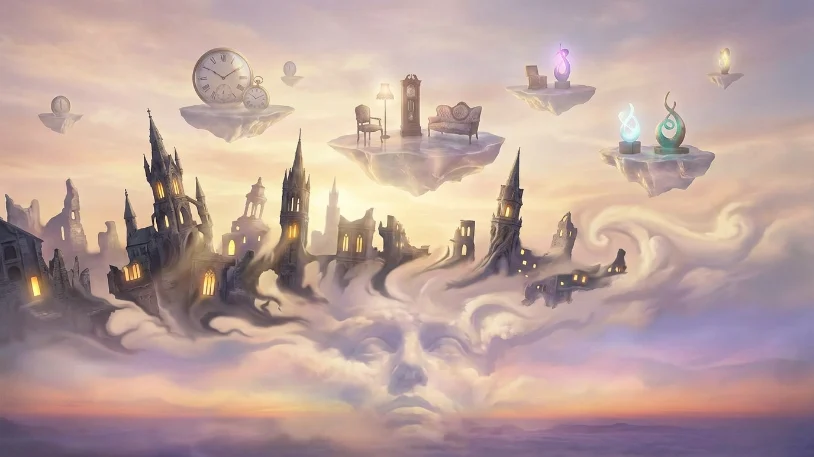
- Dreamlike scenes
- Strange object combinations
- Symbolic imagery
- Illogical structures
- Emotional intensity over realism
Surreal art doesn’t aim to copy reality. It aims to bend it.
Surreal Art Meaning and Visual Language
The surreal art meaning revolves around expressing what cannot be logically explained.
Instead of showing the world as it is, surreal art shows:
- What dreams feel like
- What emotions look like
- What thoughts might visually represent
Common surreal art elements:
- Floating objects
- Melting landscapes
- Disconnected body parts
- Endless skies or rooms
- Impossible physics
Artists like Salvador Dalí famously used melting clocks to show how time feels unstable in dreams.
Surreal art doesn’t ask “what is real?”
It asks “what if reality wasn’t fixed?”
Surreal Experience Examples in Daily Life
Understanding surreal experience examples helps make the concept more practical.
Example situations:
- You hear your voice on a recording for the first time and don’t recognize it
- You revisit a childhood place and it feels both familiar and strange
- You wake up from a vivid dream and cannot separate memory from reality
- You receive life-changing news that feels emotionally unreal
These moments often trigger a mental “pause,” where your brain tries to catch up.
Synonyms of Surreal and Related Expressions
The surreal synonyms help expand understanding of the word.
Common synonyms:
- Dreamlike
- Unreal
- Bizarre
- Fantastical
- Strange
- Otherworldly
- Illusory
- Uncanny
- Weird
- Hallucinatory
Each synonym carries a slightly different emotional tone.
| Word | Tone |
|---|---|
| dreamlike | soft, emotional |
| uncanny | slightly disturbing |
| bizarre | chaotic or odd |
| otherworldly | mystical or alien |
| illusory | deceptive perception |
Surreal Meaning in English Usage
In everyday English, surreal meaning in English usually expresses emotional disbelief.
People use it when:
- Reality feels too intense to process
- Something unexpected happens
- Events feel dreamlike or disconnected
Natural usage examples:
- “Winning the lottery felt surreal.”
- “Standing there watching the city burn was surreal.”
- “It’s surreal how fast everything changed.”
The word often replaces longer emotional explanations.
Why Surreal Feelings Happen in the Brain
The brain constantly builds models of reality. When something breaks those models, surreal perception appears.
Key triggers:
- Shock or trauma
- Extreme joy or success
- Sleep deprivation
- Lucid dreaming overlap
- Emotional overload
The brain then enters a “processing lag,” where reality feels unstable.
Think of it like a computer freezing when too many programs open at once. Everything is still running, but nothing feels smooth.
Surreal vs Real: The Cognitive Contrast
Surreal experiences depend entirely on contrast with normal reality.
| Real Experience | Surreal Experience |
|---|---|
| predictable | unexpected |
| logical | illogical |
| stable | distorted |
| familiar | unfamiliar |
| grounded | dreamlike |
The stronger the contrast, the more surreal it feels.
Surreal Meaning in Literature and Media
Writers and filmmakers often use surreal elements to:
- Show emotional confusion
- Represent dreams or memories
- Express psychological states
- Challenge perception of reality
Surreal storytelling doesn’t follow strict logic. Instead, it flows like a dream.
Common surreal techniques in media:
- Non-linear storytelling
- Shifting realities
- Symbol-heavy scenes
- Sudden environment changes
- Abstract dialogue
This style forces the audience to feel rather than analyze.
Abstract Perception and the Subconscious Mind
Surreal meaning is closely tied to abstract perception and subconscious imagery.
The subconscious mind stores:
- Memories
- Emotions
- Hidden fears
- Creative patterns
When these rise into awareness without structure, they often appear surreal.
This is why dreams feel so strange. The brain is showing raw thoughts without logical editing.
Emotional Layer of Surreal Meaning
Surreal experiences are not just visual. They are deeply emotional.
People often describe:
- Confusion mixed with awe
- Fear blended with fascination
- Disbelief paired with curiosity
This emotional mix creates the “surreal feeling.”
It is not purely positive or negative. It sits somewhere in between.
Quick Reference Table: Surreal Meaning Breakdown
| Aspect | Explanation |
|---|---|
| Core meaning | Beyond reality |
| Emotional tone | Dreamlike or strange |
| Cognitive cause | Perception distortion |
| Common usage | Shock, awe, disbelief |
| Artistic use | Surrealism movement |
| Related idea | Dream state imagery |
FAQs
What is the simple meaning of surreal?
The simple surreal meaning is something that feels strange, dreamlike, or not fully real. It often describes moments that seem too unusual or overwhelming to believe, even though they are actually happening.
What does surreal mean in everyday language?
In everyday English, surreal meaning in English refers to anything that feels unreal or oddly dreamlike. People use it when reality feels exaggerated or hard to process, like winning big or witnessing something shocking.
Is surreal the same as unreal?
Not exactly. Something unreal is impossible or fictional. Something surreal can be real, but it feels distorted, strange, or dreamlike in the moment.
What is the difference between surreal and weird?
“Weird” usually means something unusual or awkward. Surreal meaning goes deeper. It describes experiences that feel like reality itself has shifted, almost like a dream leaking into real life.
What causes a surreal feeling?
A surreal feeling often comes from:
- Emotional shock or excitement
- Sleep deprivation or dream overlap
- Sudden life-changing events
- Overwhelming sensory input
- Derealization (temporary perception shift)
It happens when the brain struggles to process reality normally.
Can surreal experiences happen in dreams?
Yes. In fact, dreams are one of the most common sources of surreal experience examples. Dreams often mix logic, time, and space in ways that feel completely unnatural.
What is surrealism in simple words?
Surrealism definition refers to an art and cultural movement that shows dreamlike, irrational, and imaginative scenes. It focuses on the subconscious mind rather than realistic representation.
What are examples of surreal moments in real life?
Common examples include:
- Meeting someone famous unexpectedly
- Surviving a dangerous accident
- Watching extreme natural events unfold
- Experiencing sudden emotional shock
- Achieving something you never thought possible
These moments often feel like they shouldn’t be real, even when they are.
What are some surreal synonyms?
Some common surreal synonyms include:
- Dreamlike
- Unreal
- Bizarre
- Otherworldly
- Uncanny
- Illusory
- Fantastical
Each word has a slightly different emotional tone.
Why do people say “this feels surreal”?
People use this phrase when reality feels too intense or unusual to fully process. It expresses emotional disbelief mixed with awe, confusion, or excitement.
Is surreal always negative?
No. The surreal word meaning is neutral. It can feel positive, negative, or mixed depending on the situation. Winning a prize might feel surreal in a joyful way, while shock events may feel surreal in a disturbing way.
Conclusion
At the deepest level, surreal meaning describes how the human mind reacts when reality stops matching expectation.
It shows up in:
- Dreams that feel real
- Events that feel impossible
- Art that bends logic
- Emotions that overwhelm clarity
Surreal is not just a word. It is a mental experience. A pause in logic. A flicker where reality feels like it’s been rewritten for a moment.
And that is exactly why the concept sticks with us long after the moment ends.