
Last Updated on May 29, 2026
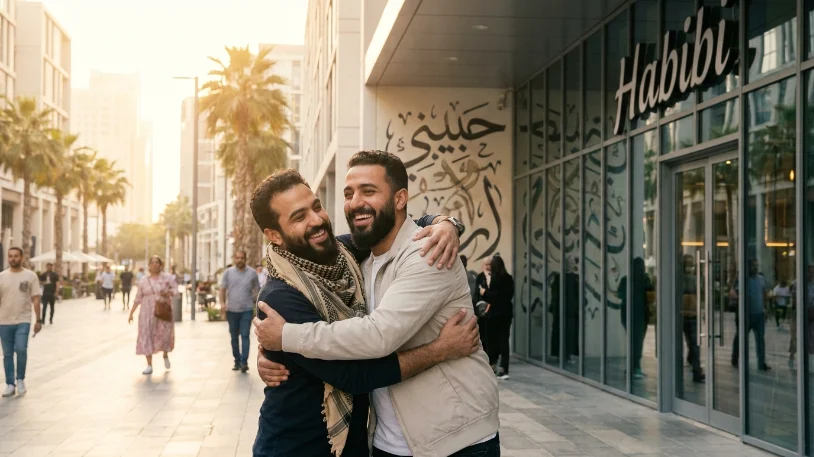
Habibi means “my love,” “my dear,” or “beloved” in Arabic.People use it to show affection. It can be romantic, friendly, or even casual, depending on the tone and context.
Let’s cut straight to it.
“Habibi” means “my love,” “my dear,” or “beloved.”
That’s the direct translation. Simple enough. However, if you stop there, you miss the real story.
In everyday speech, habibi isn’t limited to romance. People use it in a wide range of situations. A friend might say it. A parent might say it. Even strangers sometimes use it in a friendly tone.
Think of it like this:
- In English, you might say “bro,” “man,” “dear,” or “love”
- In Arabic, “habibi” covers all those emotional tones
Quick example:
“Come here, habibi.”
This could mean affection, friendliness, or comfort depending on tone.
So yes, the habibi meaning in English is “my love.” But in real life, it stretches much further.
Habibi Meaning in Arabic: Breaking Down the Word
To truly understand the word, you need to look at its structure.
Arabic is a root-based language. Most words grow from a three-letter root.
The Root of Habibi
- Root: ḥ-b-b (حب)
- Core meaning: love
From that root, you get several related words:
| Word | Meaning |
|---|---|
| Hubb | Love |
| Habib | Beloved |
| Habibi | My beloved |
Now look closer:
- Habib = beloved
- “-i” = my
So, habibi literally means “my beloved.”
That’s why it feels personal, warm, and emotional.
Habibi Meaning in English vs Real-Life Meaning
Here’s where many articles get it wrong. They translate the word, then stop.
But language doesn’t work like that. Meaning lives in context.
Literal Meaning
- My love
- My dear
- My beloved
Practical Meaning in Daily Life
Depending on how you say it, habibi can mean:
- Friend (“Hey bro”)
- Lover (“Hey babe”)
- Comfort (“It’s okay, dear”)
- Humor (“Relax, man”)
Real-Life Example Breakdown
| Sentence | Meaning |
|---|---|
| “Habibi, relax.” | Calm down, friend |
| “Miss you, habibi.” | Romantic affection |
| “Yalla habibi!” | Let’s go, buddy |
Key Insight:
The tone carries more weight than the translation.
Habibi vs Habibti Meaning (Gender Difference Explained)
Arabic uses gendered words. That includes terms of affection.
Basic Difference
| Word | Used For | Meaning |
|---|---|---|
| Habibi | Male | My love (to a man) |
| Habibti | Female | My love (to a woman) |
Why This Matters
If you speak formal Arabic, the distinction is important. However, in casual speech, especially online, people often use habibi for everyone.
Quick Examples
- To a man: “You’re amazing, habibi.”
- To a woman: “You’re amazing, habibti.”
Modern Usage Trend
You’ll often hear:
- Non-Arab speakers using “habibi” universally
- Friends using it casually regardless of gender
Language evolves. This is one of those shifts.
How to Use Habibi in Conversation (With Real Examples)
Now let’s make it practical.
You don’t just want to know the meaning. You want to use it naturally.
Common Situations
You can use habibi when:
- Greeting someone
- Saying goodbye
- Showing affection
- Light teasing
- Comforting someone
Example Sentences
- “Habibi, where are you going?”
- “Don’t worry, habibi. I’ve got you.”
- “Good night, habibi.”
- “Habibi, you’re late again!”
Tone Variations
Tone changes everything.
- Soft tone → caring
- Playful tone → joking
- Serious tone → emotional
Same word. Different energy.
Is Habibi Romantic or Friendly?
This question comes up a lot. The answer isn’t black and white.
It Can Be Romantic
- Between couples
- In messages like “I love you, habibi”
It Can Be Friendly
- Between close friends
- Among family members
It Can Even Be Casual
- Used like “bro” or “dude”
Simple Comparison
| Context | Meaning |
|---|---|
| Partner | Babe / Love |
| Friend | Bro / Buddy |
| Family | Dear |
Think of it as a flexible emotional word.
Habibi Meaning in Urdu, Hindi, and Punjabi
Because of cultural overlap, many South Asian speakers use or understand “habibi.”
Habibi Meaning in Urdu
- جان (Jaan)
- پیارے (Pyare)
Habibi Meaning in Hindi
- मेरा प्यार
- जान
Habibi Meaning in Punjabi
- جان
- سوہਣਾ
Why It Feels Familiar
South Asian languages already use affectionate terms frequently. That’s why habibi fits naturally into conversation.
Habibi Meaning in Islam (Is It Religious?)
Here’s the truth.
“Habibi” is not a religious word.
It’s a cultural and linguistic term.
However, Arabic is the language of Islamic texts. So naturally, many Arabic words appear in religious contexts.
Key Clarification
- Habibi = cultural expression
- Not a religious obligation
- Not specific to Islam
You can use it whether you’re religious or not.
Where Did the Word Habibi Come From? (Origin Explained)
Arabic is one of the oldest living languages. Words like “habibi” have deep roots.
Linguistic Origin
- Derived from Classical Arabic
- Root system: ḥ-b-b (love)
Historical Usage
- Used in poetry
- Used in songs
- Used in everyday conversation for centuries
Why It Survived
Because it expresses something universal:
Human affection.
How “Habibi” Became Global
A few decades ago, this word stayed mostly in Arabic-speaking regions.
Now? It’s everywhere.
Reasons for Global Spread
- Social media (TikTok, Instagram)
- Music and pop culture
- Travel and globalization
- Memes and viral phrases
Why People Love It
- Sounds smooth and expressive
- Easy to pronounce
- Feels emotionally rich
It carries warmth without sounding heavy.
Common Misunderstandings About Habibi
Let’s clear the confusion.
Myth vs Reality
| Myth | Reality |
|---|---|
| It’s only romantic | It’s widely casual |
| Only couples use it | Friends and family use it too |
| It’s inappropriate | It depends on context |
| Only Arabs can say it | Anyone can use it respectfully |
Similar Words in Other Languages
Every culture has its version of “habibi.”
Examples Around the World
- English → Babe, Love
- Spanish → Mi amor
- French → Mon amour
- Urdu → Jaan
Why This Matters
It shows something important:
Every language has a word for closeness.
“Habibi” just happens to travel well.
Should You Use Habibi? (Cultural Awareness Guide)
Yes, you can use it. But use it wisely.
When It Works
- With friends
- In casual settings
- With people comfortable with the term
When to Be Careful
- Formal environments
- Professional settings
- With strangers who may misunderstand tone
Simple Rule
Match the vibe of the person you’re speaking to.
Habibi Meaning in Texting and Chat
Digital communication changed how we use language.
What Habibi Means in Text
- Affection
- Humor
- Casual friendliness
Common Chat Examples
- “Miss you habibi ❤️”
- “Where are you habibi?”
- “Chill habibi 😂”
Tone Indicators
- Emojis add meaning
- Caps can show intensity
- Context still matters
Habibi Pronunciation Guide
Pronunciation is simple once you break it down.
Phonetic Breakdown
- Ha – bee – bee
Tips
- Keep it soft
- Don’t stress too hard on syllables
- Let it flow naturally
Variations of Habibi You Should Know
Arabic offers many variations.
Common Variations
- Habib → beloved
- Habibti → my love (female)
- Ya habibi → “Oh my love”
- Habibi albi → “love of my heart”
Meaning Impact
Each variation adds emotional depth.
Why “Habibi” Feels So Powerful
Some words just hit differently.
“Habibi” works because it blends:
- Emotion
- Simplicity
- Cultural richness
It’s not just vocabulary. It’s expression.
Frequently Asked Questions
What does habibi mean in English?
It means “my love” or “my dear,” depending on context.
Can a girl say habibi to a guy?
Yes. It’s completely normal.
Is habibi flirting?
Sometimes. It depends on tone and situation.
What language is habibi from?
Arabic.
Is it okay for non-Arabs to use it?
Yes, as long as you use it respectfully.
Final Thoughts
At first glance, habibi meaning seems simple.
“My love.” That’s it.
But once you look closer, you see layers.
It’s a word that shifts with tone. It adapts to context. It connects people.
Sometimes it means “bro.”
Sometimes it means “babe.”
Sometimes it just means “I care.”
And that’s what makes it powerful.
One word. Endless emotion.